
May 15, 2026
Leveraging Advanced Restaurant Analytics Tools to Optimize Performance
Discover how advanced restaurant analytics tools enhance efficiency, customer experience, and revenue in the competitive food service industry.

In the competitive landscape of the food service industry, independent restaurants and quick-service/fast-casual operators face unique challenges. To remain competitive and enhance operational efficiency, these businesses must leverage technology effectively. Advanced restaurant analytics tools provide a powerful solution, offering deep insights into every aspect of restaurant operations. By harnessing data, these tools help restaurateurs make informed decisions to optimize performance and improve customer experiences.
Introduction to Advanced Restaurant Analytics Tools
Advanced restaurant analytics tools have become essential in modern restaurant management. These systems go beyond traditional data collection and reporting, offering in-depth analysis of key performance metrics. By integrating with existing restaurant systems such as point-of-sale (POS) solutions, these tools provide a comprehensive view of operations. The insights gained can lead to improved decision-making, enhanced customer satisfaction, and increased profitability.
What Are Advanced Analytics Tools?
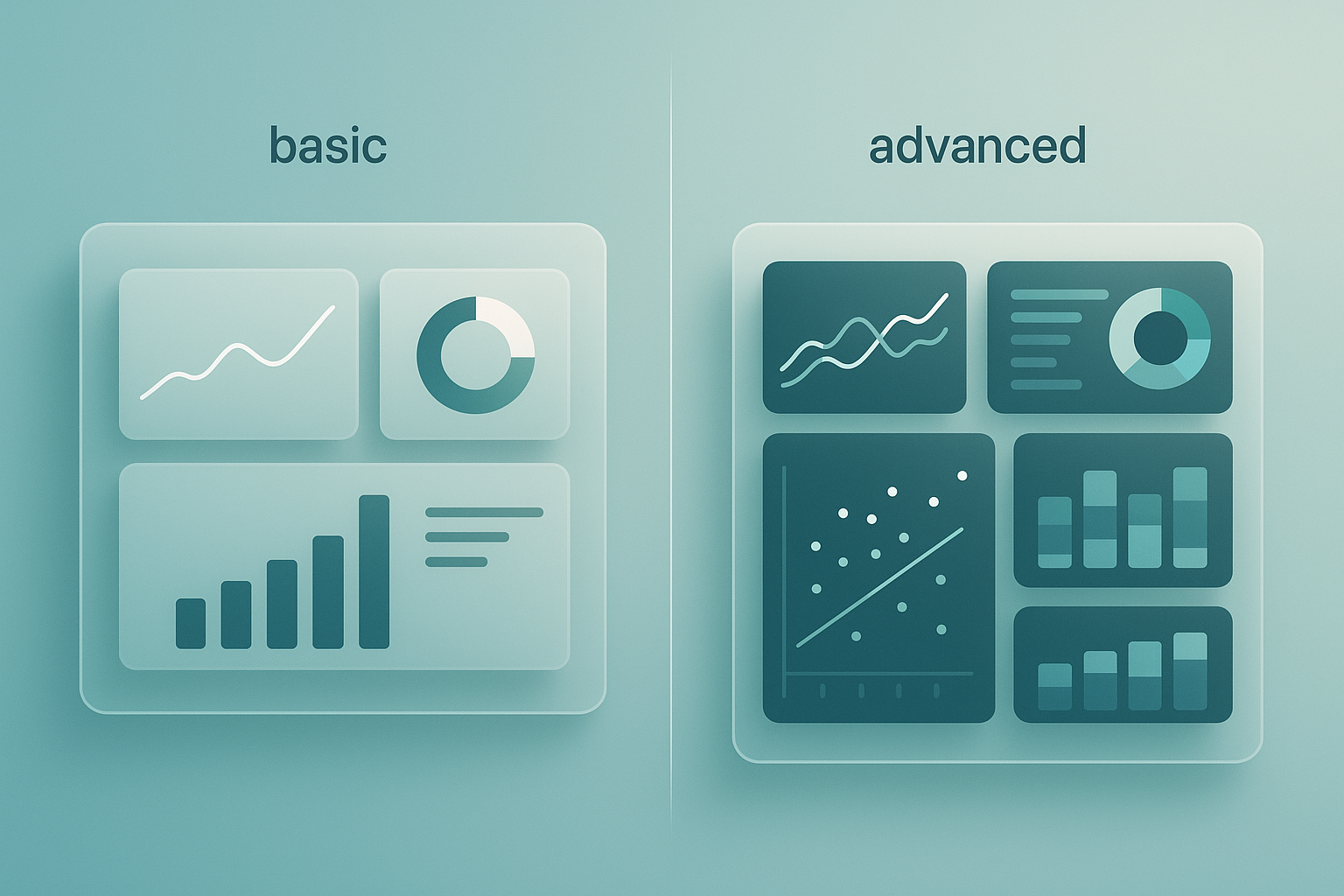 Advanced tools offer deeper insights compared to basic analytics.
Advanced analytics tools are sophisticated systems designed to process and analyze large volumes of data to uncover patterns, trends, and insights. Unlike basic analytics tools that provide simple reports and dashboards, advanced tools utilize complex algorithms and data models to deliver actionable insights. They incorporate technologies such as artificial intelligence (AI) and machine learning to predict future outcomes and recommend strategic actions.
The Difference from Basic Analytics Tools
Basic analytics tools often focus on descriptive and diagnostic analytics—what happened and why it happened. In contrast, advanced restaurant analytics tools delve into predictive and prescriptive analytics—what is likely to happen and what actions should be taken. This depth of analysis empowers restaurant operators to anticipate customer needs, optimize inventory, and streamline operations.
Benefits of Using Advanced Analytics in Restaurants
 Real-time data reporting aids in quick decision-making.
Implementing advanced analytics in restaurants offers numerous benefits:
Optimized Operations: Advanced analytics help identify inefficiencies in inventory management, staffing, and supply chain operations. By analyzing historical data, restaurants can forecast demand and adjust their resources accordingly.
Improved Decision-Making: With real-time data reporting, managers can make informed decisions quickly. Whether it's adjusting menu pricing or launching a marketing campaign, data-driven insights ensure strategies are grounded in reality.
Enhanced Customer Experience: Understanding customer preferences and behavior allows restaurants to tailor services and promotions. Personalized dining experiences lead to increased customer satisfaction and loyalty.
Increased Revenue: By identifying high-performing menu items and optimizing price points, restaurants can maximize revenue. Advanced analytics also help in identifying opportunities for upselling and cross-selling.
Key Features to Look for in Restaurant Analytics Tools
When selecting advanced restaurant analytics tools, operators should consider the following features:
Real-Time Data Reporting: The ability to access up-to-date information allows for quick response to operational changes and customer demand shifts.
Integration with POS Systems: Seamless integration with existing POS systems ensures accurate data collection and analysis, reducing manual data entry and errors.
Predictive Analytics: Tools that offer predictive insights help restaurants anticipate trends and prepare for future demand.
Customizable Dashboards: Tailored dashboards provide a user-friendly interface for monitoring key metrics relevant to specific business goals.
Scalability: As a restaurant grows, the analytics tool should be able to accommodate increased data volume and complexity.
How to Implement Advanced Analytics in Your Restaurant
Successfully implementing advanced analytics tools involves several key steps:
Assess Current Systems: Evaluate existing systems and processes to identify areas that would benefit most from advanced analytics.
Choose the Right Tool: Select a tool that aligns with your restaurant's specific needs and integrates with existing systems.
Train Staff: Ensure that staff are trained not only in using the analytics tool but also in interpreting the data and applying insights to their daily operations.
Utilize Insights Effectively: Regularly review analytics reports and involve key stakeholders in strategic discussions to leverage insights for business improvement.
Monitor and Adjust: Continuously monitor the effectiveness of implemented strategies and make adjustments based on new insights and changing market conditions.
Case Studies: Success Stories of Restaurants Using Advanced Analytics
Several restaurants have successfully integrated advanced analytics tools to enhance their performance:
Case Study 1: A fast-casual chain implemented predictive analytics to optimize inventory management. By accurately forecasting demand, they reduced food waste by 20% and improved profit margins.
Case Study 2: An independent fine dining establishment used customer behavior analytics to redesign their loyalty program. This resulted in a 15% increase in repeat visits and a 10% boost in average check size.
Case Study 3: A quick-service restaurant utilized POS analytics to identify peak service times, enabling them to optimize staff scheduling and reduce wait times, enhancing overall customer satisfaction.
Future Trends in Restaurant Analytics
The future of restaurant analytics is shaped by emerging technologies such as AI and machine learning. These innovations promise to revolutionize how restaurants operate:
AI-Driven Personalization: AI will enable more personalized dining experiences by analyzing customer data to tailor recommendations and promotions.
Automated Decision-Making: Machine learning algorithms will increasingly automate routine decisions, freeing up managers to focus on strategic initiatives.
Enhanced Predictive Capabilities: As machine learning models become more sophisticated, predictive analytics will provide even more accurate forecasts and recommendations.
Incorporating these trends will be crucial for restaurants aiming to stay ahead in a competitive market.
Conclusion
Advanced restaurant analytics tools are indispensable for modern restaurant operators seeking to optimize their business performance. By leveraging these tools, restaurateurs can gain valuable insights into their operations and customer behavior, leading to improved decision-making and enhanced customer experiences. As the industry continues to evolve, staying informed about emerging analytics trends will be key to maintaining a competitive edge.
For independent restaurants and QSR/fast-casual operators ready to harness the power of data, consider exploring advanced analytics solutions that align with your business goals. Early access to Bagel's cutting-edge analytics tools could be your first step towards a data-driven future.
Run your restaurant on Bagel
Join the early access program and shape the operating system built for modern hospitality.
Get early access →