
May 15, 2026
Integrated Restaurant Inventory Management: Enhancing Operations and Reducing Costs
Explore how integrated restaurant inventory management systems can streamline operations, reduce costs, and minimize waste, enhancing dining experiences.
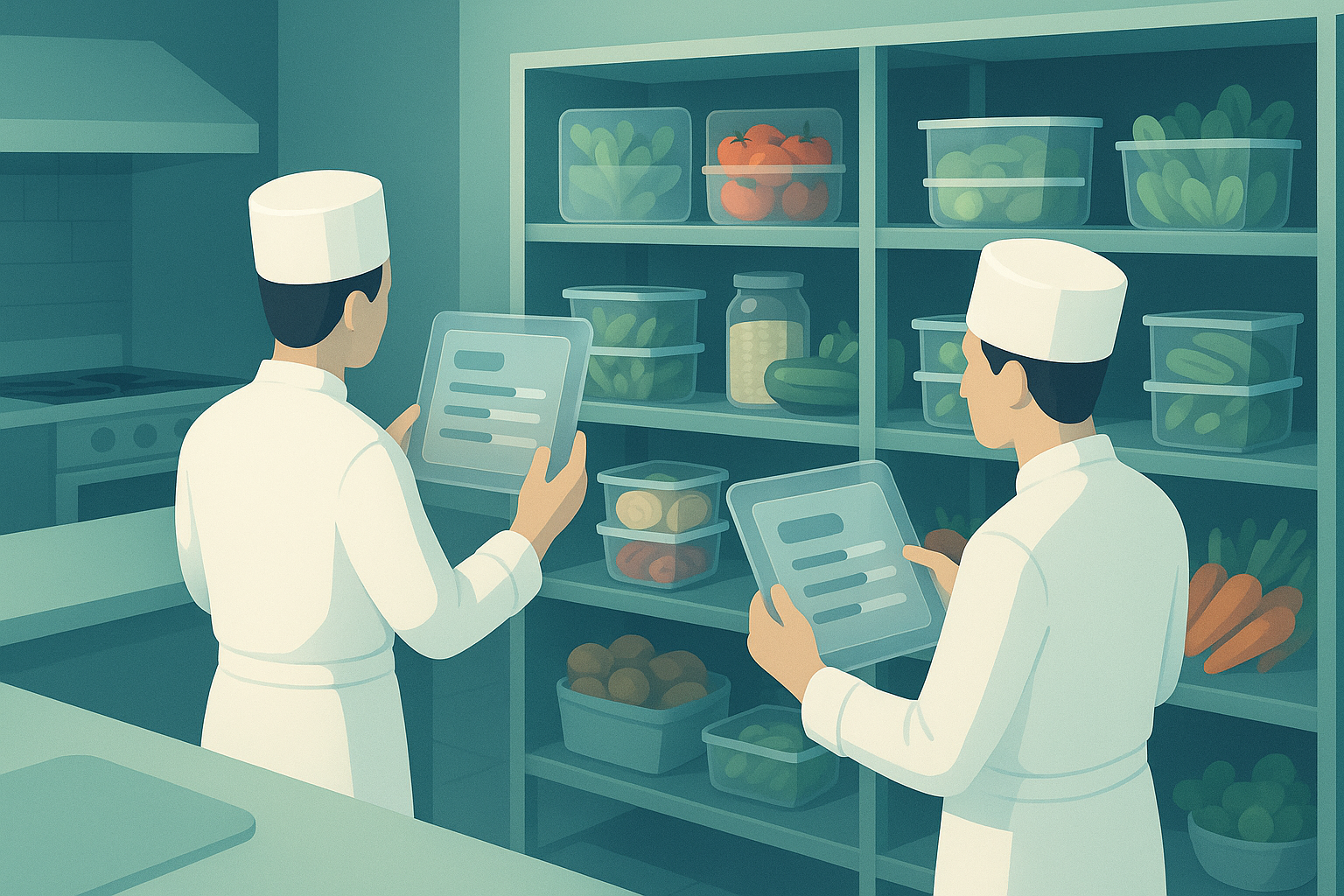
In the highly competitive world of independent restaurants and fast-casual operations, maintaining control over inventory is crucial. Effective inventory management can mean the difference between a profitable business and one that struggles to stay afloat. As technology evolves, integrated restaurant inventory management systems are becoming indispensable. These systems streamline operations, reduce costs, and minimize waste, allowing restaurant operators to focus on delivering quality dining experiences.
Understanding Integrated Restaurant Inventory Management
Integrated restaurant inventory management refers to the seamless integration of inventory tracking and management processes with other restaurant systems like point-of-sale (POS) and kitchen display systems (KDS). By automating inventory and ordering processes, these systems provide real-time insights into stock levels, usage rates, and ordering needs.
Automation is a key component. Manual inventory tracking is not only time-consuming but also prone to errors. An integrated system reduces human intervention, minimizing mistakes and ensuring data accuracy. This automation extends to ordering processes, where systems can predict inventory needs based on historical data, ensuring that restaurants maintain optimal stock levels without over-ordering.
Why Use Integrated Inventory Systems in Restaurants?
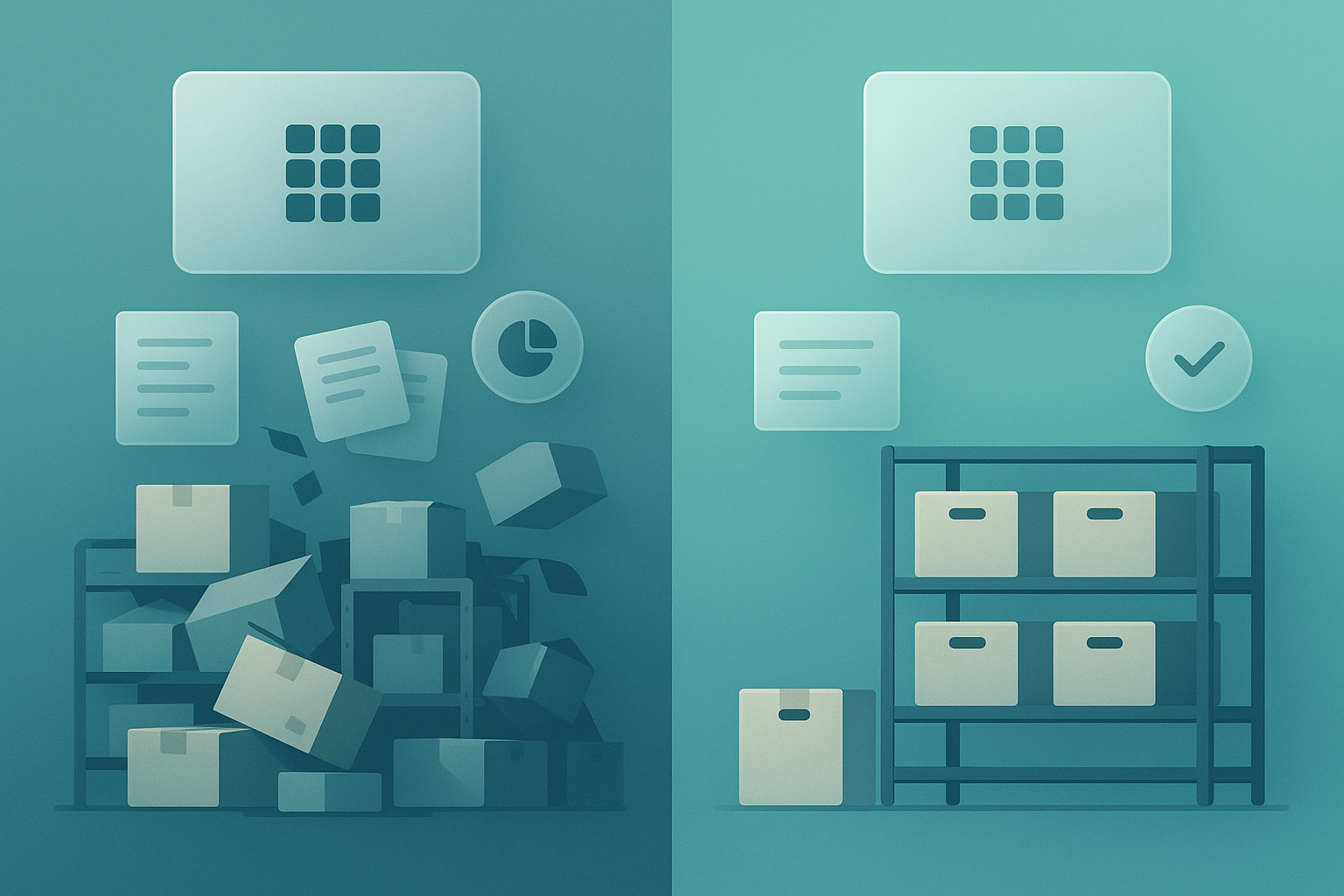 Integrated systems can transform inventory storage from chaos to order.
The benefits of integrated inventory systems are numerous, particularly for independent restaurants and fast-casual operations. Here are some of the primary advantages:
Cost Reduction
By providing accurate data and forecasting, integrated systems enable restaurants to make informed purchasing decisions. This leads to significant cost savings by preventing over-ordering and reducing waste. Additionally, these systems can track price fluctuations and suggest alternative suppliers, further optimizing expenditure.
Waste Minimization
Food waste is a major concern in the restaurant industry. Integrated inventory management systems help minimize waste by ensuring that stock levels are aligned with actual consumption patterns. By monitoring shelf life and usage rates, restaurants can prioritize the use of perishable items, reducing spoilage and waste.
Streamlined Operations
An integrated system connects various aspects of restaurant operations, from ordering and receiving to preparation and serving. This connectivity streamlines back-of-house operations, reducing bottlenecks and improving kitchen efficiency. Staff can spend less time on inventory checks and more time focusing on customer service and food quality.
Choosing the Best Restaurant Inventory Management System
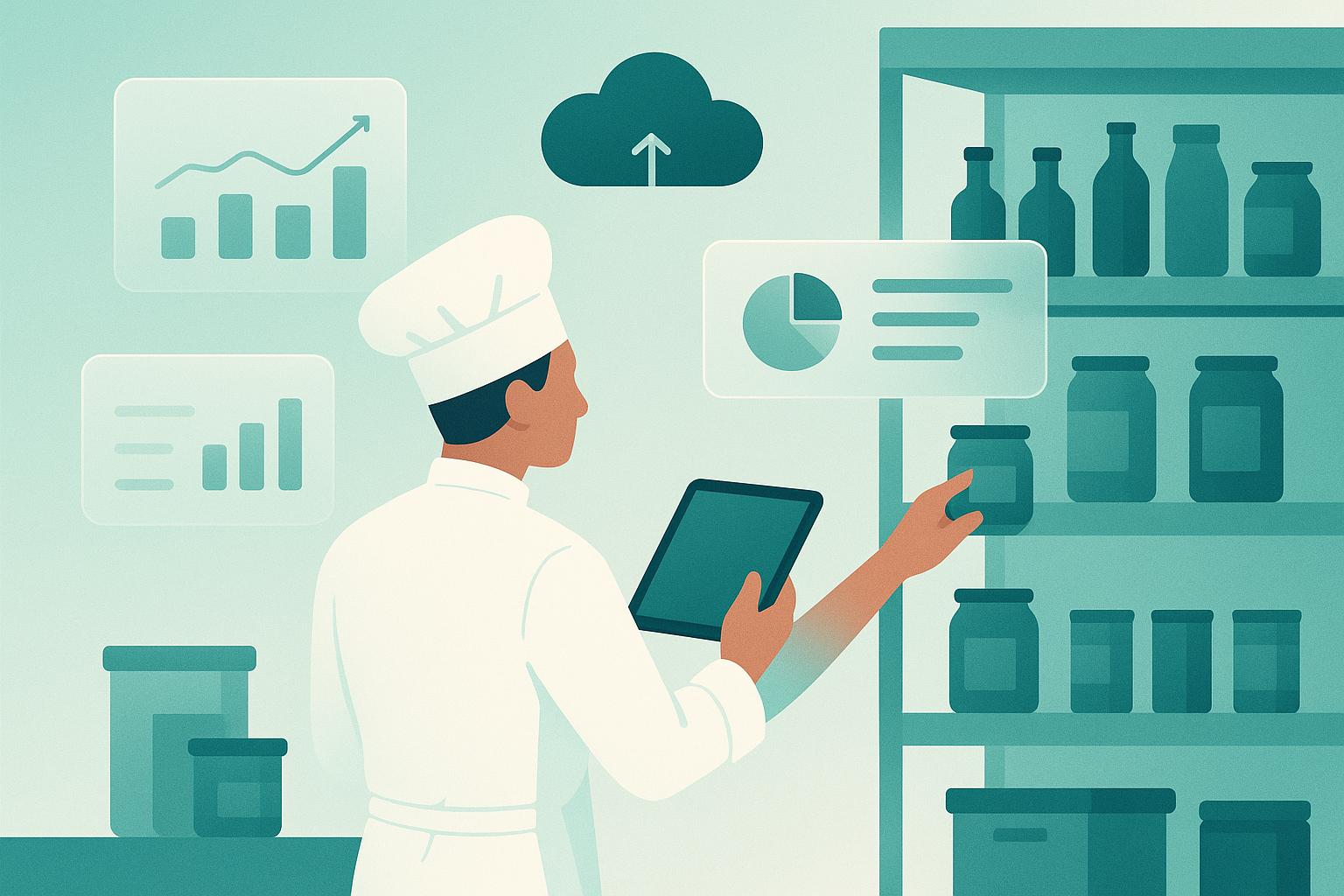 Cloud-based systems offer real-time data access, optimizing inventory management.
Selecting the best restaurant inventory system involves evaluating several key factors:
Cloud-Based Solutions
Cloud-based inventory management systems offer significant advantages, such as real-time data access, automatic updates, and remote management capabilities. These systems ensure that restaurant operators can access critical inventory information from anywhere, at any time.
Ease of Integration
A successful inventory management system should easily integrate with existing POS and KDS systems. Seamless integration ensures that data flows effortlessly across platforms, reducing the need for manual data entry and minimizing errors.
Cost-Effectiveness
While investing in a robust inventory management system can yield significant returns, cost remains a critical consideration for many restaurant operators. It's important to evaluate the total cost of ownership, including subscription fees, maintenance costs, and any potential savings from improved operations.
Implementing Cloud-Based Inventory Management
Implementing a cloud-based inventory management system involves several key steps:
Assessment: Evaluate current inventory processes and identify areas for improvement. Determine the specific needs and goals of your restaurant.
Selection: Choose a cloud-based system that aligns with your operational needs and budget. Consider features such as real-time analytics, mobile access, and supplier integration.
Integration: Work with your POS and KDS providers to ensure seamless integration. This may involve data migration and system configuration to align with existing processes.
Training: Train staff on the new system to ensure smooth adoption. Emphasize the benefits of the system and how it will improve day-to-day operations.
Monitoring and Optimization: Regularly review system performance and make adjustments as needed. Use data insights to refine inventory strategies and enhance operational efficiency.
Case Study: Successful Inventory Management Integration
Consider the case of a fast-casual chain that implemented an integrated restaurant inventory management system to address high food costs and waste. By integrating their inventory management with their POS and KDS, they achieved the following results:
- Cost Savings: Reduced food costs by 15% through optimized purchasing and minimized waste.
- Improved Efficiency: Streamlined inventory processes, reducing time spent on manual inventory checks by 50%.
- Data-Driven Decisions: Leveraged real-time data to make informed purchasing decisions and respond quickly to supply chain disruptions.
This case illustrates the transformative impact of integrated inventory management on both financial outcomes and operational efficiency.
Future Trends in Restaurant Inventory Management
As technology continues to evolve, several trends are shaping the future of restaurant inventory management:
AI and Machine Learning
Artificial intelligence (AI) and machine learning are poised to revolutionize inventory management. These technologies can analyze vast amounts of data to predict demand, optimize stock levels, and identify potential supply chain issues before they occur.
IoT-Enabled Solutions
The Internet of Things (IoT) offers new possibilities for inventory management. Smart sensors can monitor inventory levels in real-time, automate reordering processes, and even track perishable goods' condition, ensuring optimal quality and safety.
Sustainability and Ethical Sourcing
As consumer demand for sustainable practices grows, inventory management systems are beginning to incorporate features that track the sustainability and ethical sourcing of ingredients. This capability allows restaurants to make more environmentally conscious decisions.
Conclusion
Integrated restaurant inventory management is a critical component of modern restaurant operations. By automating processes, reducing costs, and minimizing waste, these systems empower independent restaurants and fast-casual operators to enhance their operational efficiency and profitability. As the industry continues to evolve, embracing advanced technologies like AI and IoT will further optimize inventory management, ensuring that restaurants can adapt to changing market demands.
For operators looking to gain a competitive edge, exploring early access to integrated inventory management solutions can be a strategic move toward sustainable success.
Run your restaurant on Bagel
Join the early access program and shape the operating system built for modern hospitality.
Get early access →